Verify every user at the network layer. No OTP required.
Confirm phone number ownership, catch SIM swaps and check customer details directly with mobile carriers, in under 100 milliseconds. One integration covers 12 markets, with SMS OTP as a built-in fallback.
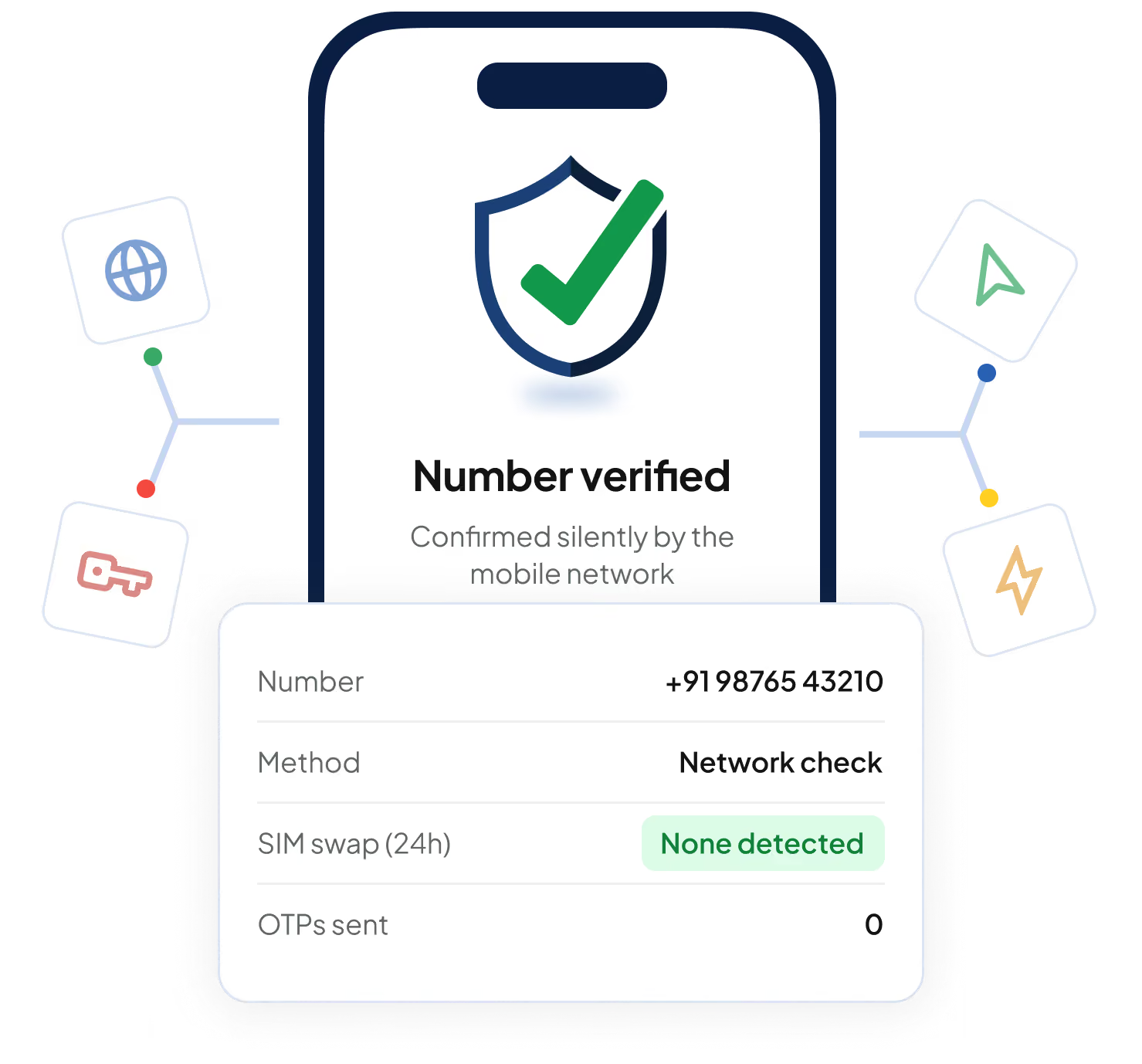
One-time passwords were built for a different threat model.
SMS OTP confirms a code reached a phone, not who holds it. Fraudsters can phish codes, swap SIMs, and generate fake SMS traffic. Real users often miss codes.

Phishable codes

SIM swap takeovers

Friction and cost
One platform, every identity signal the network can give you.
Mix and match APIs by job. Use one, or chain several into a single risk check.
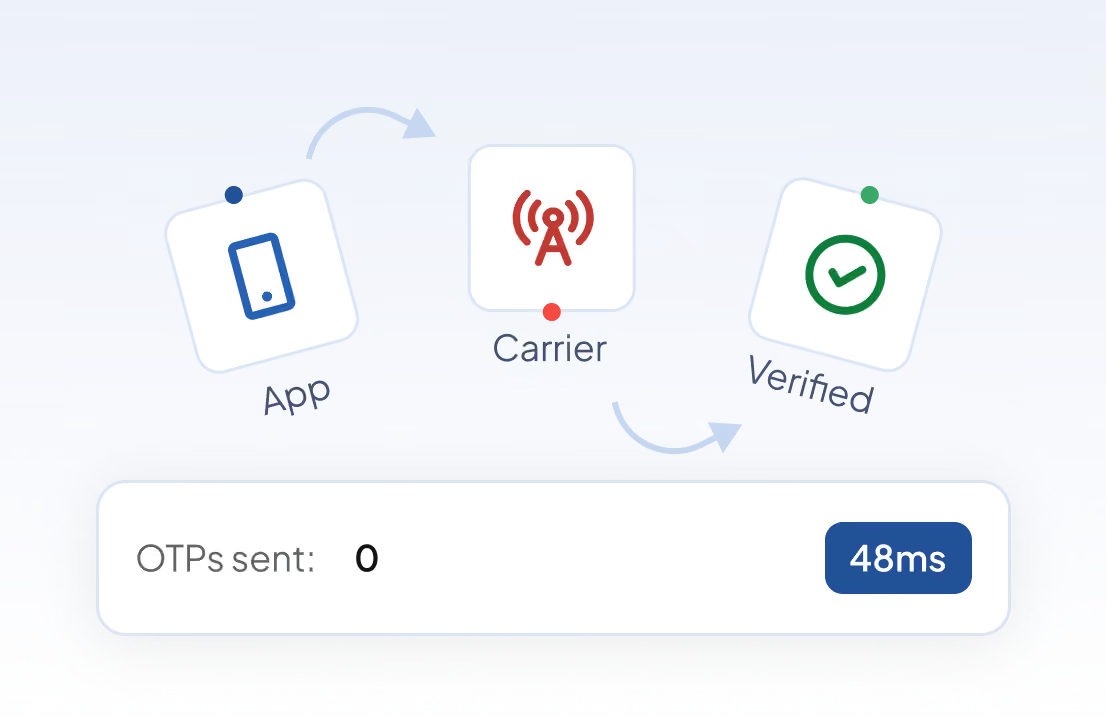
Verify the number
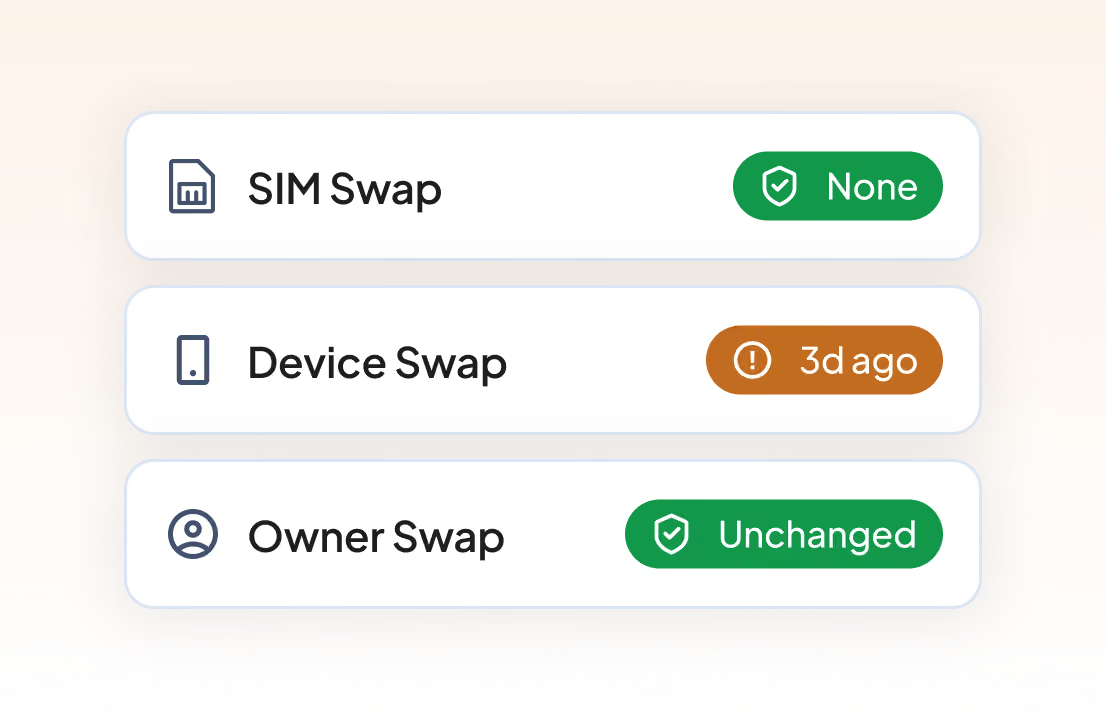
Stop account takeover
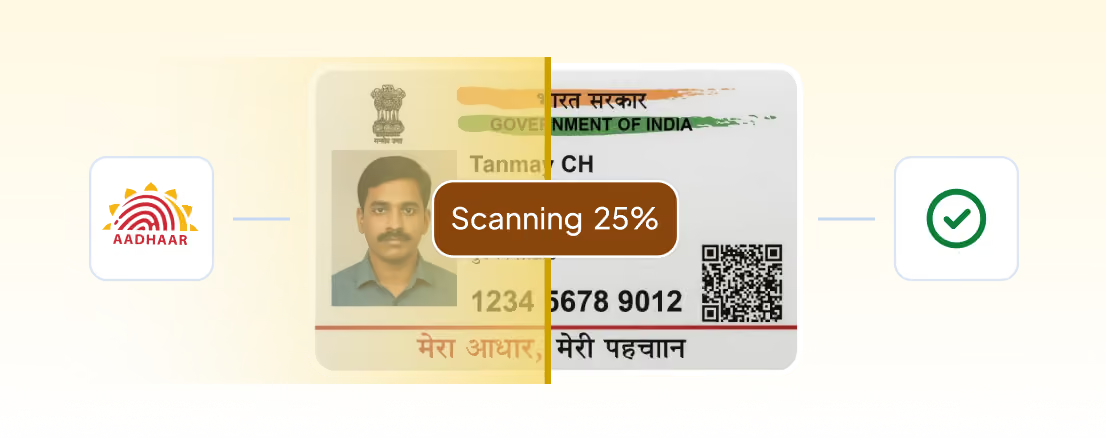
Liveness & Biometrics
Verify + AML Screening
The right verification method for every user, chosen automatically.
Identity API picks the strongest method each user's carrier and device support, and falls back gracefully when none is available.

Silent network verification
The carrier matches the number to the mobile session.

SIM-based verification
The SIM's cryptographic credentials prove possession over mobile data, Wi-Fi or VPN.

ESMV
An operator-backed check binds the SIM, device and number for UPI and payment apps.

SMS OTP fallback
If carrier verification isn't available, a code goes out by SMS through VerifyNow, on the same API


Built for the moments where trust matters most.
Purpose-built for regulated, high-volume environments — with the controls, coverage and compliance enterprises require.

Signup and onboarding
Confirm the number is real and in your user's hand before you create the account

Passwordless login
Replace the password-plus-OTP routine with a silent check that takes milliseconds

High-risk transactions
Check for a recent SIM or device swap before a transfer, payout or password reset goes through.

Account recovery
Make sure the number on file still belongs to the same person before you send a reset link.

Age-restricted access
Gate alcohol, gaming, betting or adult content without asking for an ID upload.

UPI and payment apps (India)
Bind SIM, device and number at registration without an outbound SMS.
Direct carrier connections in 12 markets, and growing.
Identity API connects to 29 mobile network operators through the GSMA Open Gateway, so a single integration reaches subscribers across North America, Europe, Latin America and Asia Pacific. API availability varies by country and carrier.
More markets and carriers are joining every quarter, including Vodafone Idea in India. Need a country we don’t cover yet? Tell us
North & Latin America


Europe


Asia Pacific


From signup to live traffic in three steps.
One API call. The carrier does the heavy lifting. Your backend gets a signed, trustworthy result.
Pricing is tailored to your markets and volume
Standard APIs, simple auth, a clear true or false.
Identity API follows the CAMARA open standard, so the request and response shapes are the same in every market. Authenticate with a client ID and secret, cache a one-hour bearer token, and call the API you need from your backend.

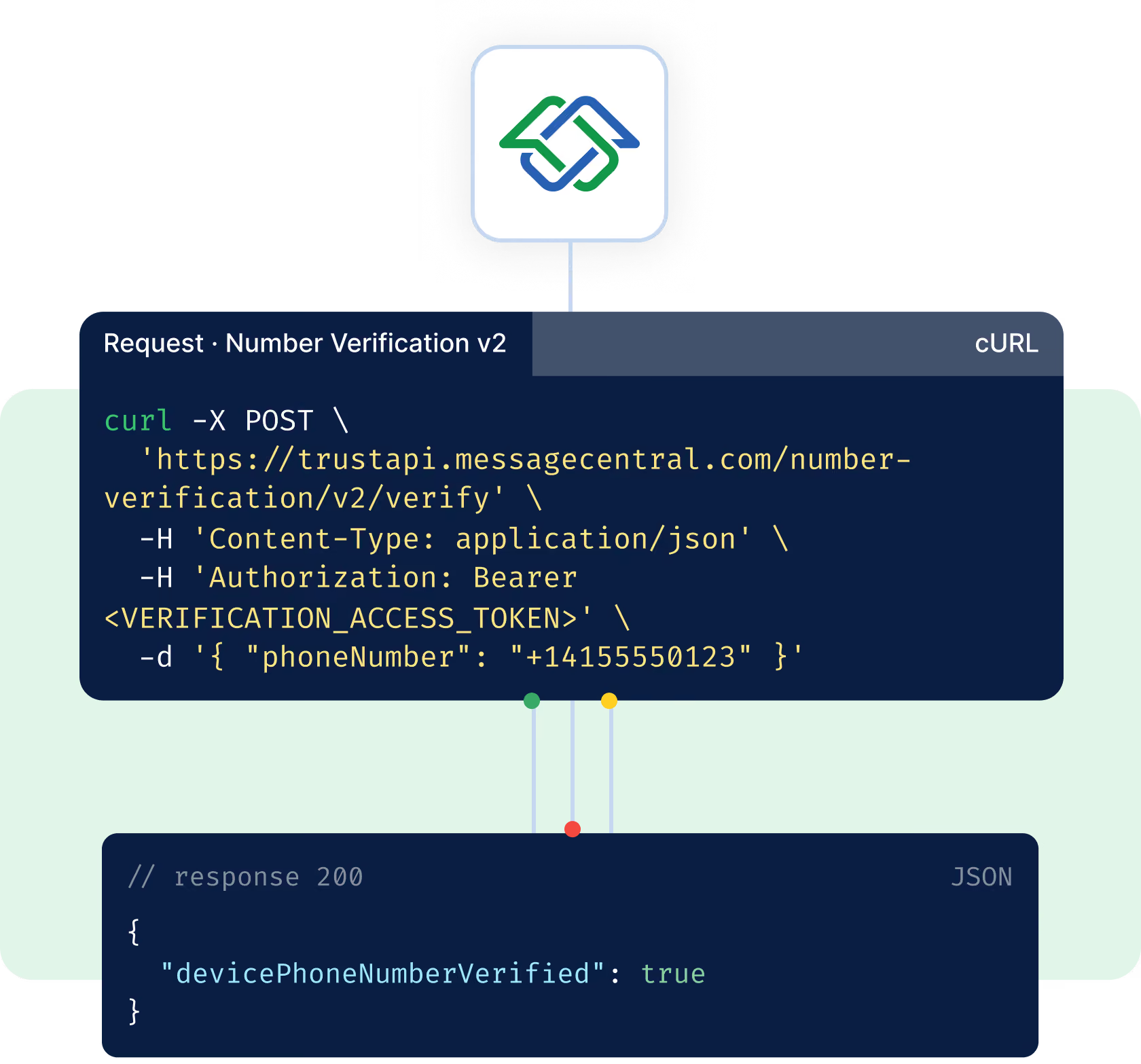
Privacy by design, from the carrier up.

Minimal data
Most APIs return a yes or no, or a date. KYC Match and Age Verification confirm details without sharing records.

Consent built into the standard
Requests follow the CAMARA consent framework, ensuring carriers apply the correct legal basis, including GDPR in Europe.

Hashed identifiers
Send a SHA-256 hash in place of the phone number where supported.

Nothing to phish
With no code to type, there’s nothing for a fake page or a scam call to steal.

Vetted access
Every business is reviewed before it reaches production traffic, and credentials stay on your backend.
Frequently Asked Questions
Which is the best OTP Verification API for apps and websites?
An identity API lets your app check facts about a user directly with their mobile carrier. For example, it can confirm that a phone number belongs to the device in use, whether the SIM was recently swapped, or whether the details a user entered match the carrier's records.
How is Identity API different from SMS OTP?
SMS OTP sends a code and asks the user to type it back. Identity API asks the carrier to confirm the number directly, usually with no action from the user. It's faster and nothing can be phished. SMS OTP stays available as a fallback.
What is silent network authentication?
It's a way of verifying a phone number in the background. The carrier confirms that the request is coming from the SIM behind that number, so the user never sees a code.
What's the difference between Number Verification v1 and v2?
v1 verifies silently over the user's mobile data connection. v2 adds SIM-based authentication, which uses the SIM's cryptographic credentials and also works over Wi-Fi and VPN. v2 also supports the v1 method.
What does the SIM Swap API tell me?
It tells you whether the SIM linked to a number changed within a period you choose, or the date of the most recent swap. A very recent swap before a sensitive action is a strong fraud signal.
Which countries are supported?
Identity API is live in 12 markets: the United States, Canada, Brazil, the United Kingdom, Germany, France, the Netherlands, Spain, Austria, Greece, Australia and India. API availability varies by country and carrier, and new markets are added regularly.
What happens if a carrier can't verify a user?
The API returns no match, or no result, and your app falls back to SMS OTP through VerifyNow. Your user still gets verified.
Does Identity API share my users' personal data?
No. Most APIs return a yes or no, or a date. KYC Match and Age Verification only say whether the details match; the carrier's records are never sent to you.
How do I get access?
Sign up and request sandbox access from the Identity API console. Sandbox requests are reviewed within 3 working days. Production access follows a business review with country-specific requirements for each carrier.
How much does Identity API cost?
Pricing depends on the APIs, countries and volumes you need. Talk to our team for a quote.
Stop sending codes. Start asking the network.
Sign up, request sandbox access and run your first silent verification this week.