Key Takeways
SMS payments or text to pay services have emerged as a convenient and efficient method for both businesses and consumers.
A survey conducted by GSMA found that over 75% of mobile users in developing countries use mobile money services, including SMS payments, due to their ease of use and accessibility.
This article delves into the latest trends, regulations, and tips for using SMS payments effectively.
What are SMS Payments?
SMS payments are transactions conducted via text messages, enabling customers to make payments directly from their mobile phones without the need for a smartphone or internet connection. This method is particularly beneficial for people in regions with limited access to banking infrastructure or internet services.
How do SMS Payments Work?
- SMS payments can be enabled via a payment link sent to the concerned user via SMS.
- Another method to facilitate the same is when a user only has to reply (a certain word or just anything) and a third-party mobile payment provider clears the transaction.
The amount is deducted from user’s prepaid amount or is added to the user’s bill.
- Bill based SMS payments where the invoice and other related information is sent to the concerned user.
How to Enable SMS Payments Work?
For SMS payments to work, you’d need an SMS API provider and integrate the same with your existing payment infrastructure. The integration nuances will depend on the method of SMS payments being selected.
Message Now is an SMS API provider by Message Central with global reach powered by direct operator connectivity. The team also provides 24/7 customer. To use SMS API, you can get in touch with their team.
Benefits of SMS Payments

- Accessibility: SMS payments can be made from any mobile phone, not just smartphones, making them accessible to a broader audience.
- Convenience: Transactions can be completed quickly and easily, without the need for an internet connection.
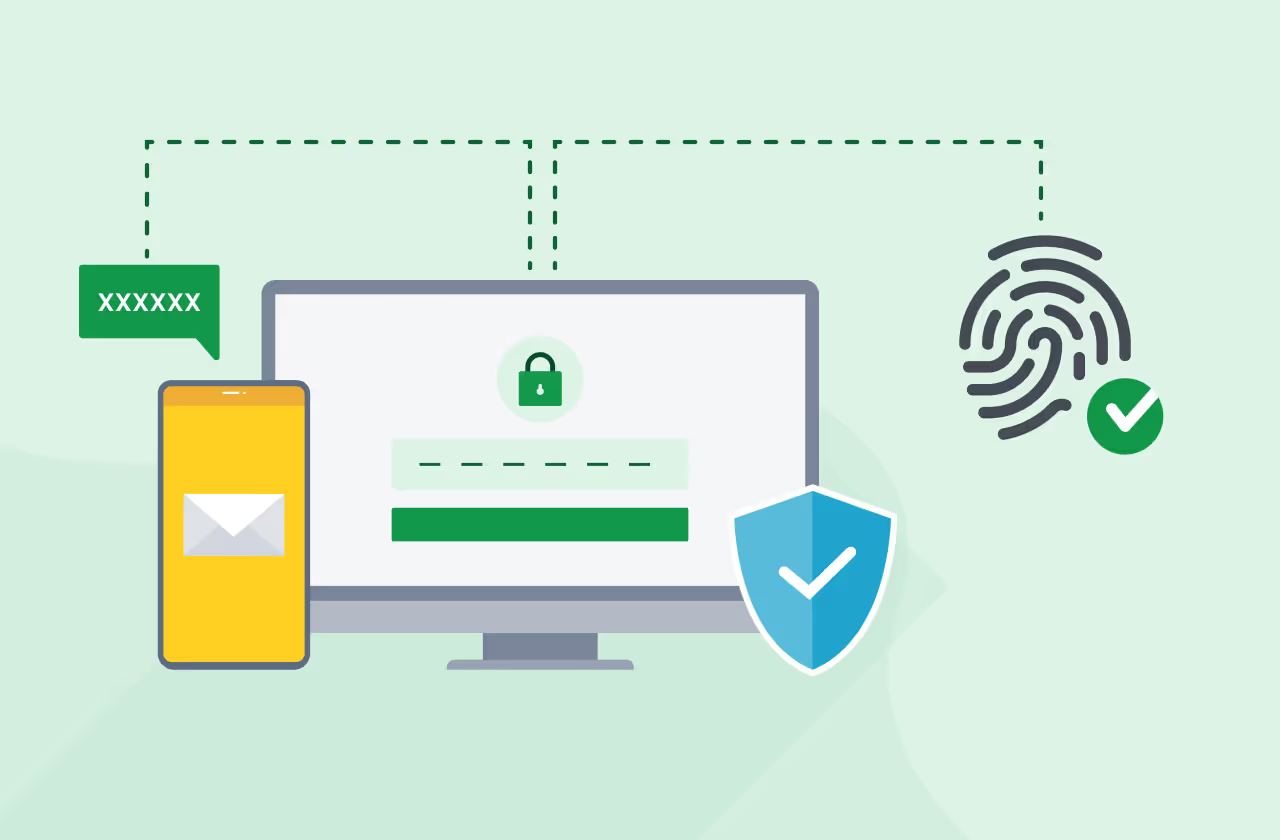
- Security: Enhanced security measures such as OTP SMS and encryption ensure that transactions are safe and secure.
Tips for Using SMS Payments
- Ensure Strong Network Coverage: To avoid transaction failures, ensure you have a strong network signal when making or receiving SMS payments.
- Use Secure Platforms: Choose SMS payment providers that offer robust security features, such as end-to-end encryption and two-factor authentication.
- Regularly Monitor Transactions: Keep an eye on your transaction history to quickly identify any unauthorized payments or suspicious activity.
Regulatory Landscape
- Regulations in the US: In the United States, SMS payments are subject to regulations under the Consumer Financial Protection Bureau (CFPB) and must comply with the Electronic Fund Transfer Act (EFTA). For SMS, there’s A2P 10DLC. This ensures consumer protection against unauthorized transactions.
- European Union: The European Union has implemented the Payment Services Directive 2 (PSD2), which requires strong customer authentication (SCA) for online and mobile payments, including SMS payments.
- Developing Markets: In regions like Africa and Southeast Asia, regulatory frameworks are being developed to facilitate secure and efficient mobile payments. For example, Kenya's M-Pesa service is regulated by the Central Bank of Kenya, ensuring compliance with financial regulations.
Common Use Cases
- Retail Payments: Customers can make payments for goods and services directly via SMS, providing a quick and convenient checkout process.
- Utility Bill Payments: Many utility companies now offer SMS payment options, allowing customers to pay their bills by simply sending a text message.
- Peer-to-Peer Transfers: SMS payments are widely used for transferring money between individuals, especially in regions with limited banking infrastructure.
Best Practices for Businesses
- Implement Strong Security Measures: Businesses should ensure that their SMS payment systems are secure and comply with relevant regulations to protect customer data.
- Provide Clear Instructions: Make the payment process as straightforward as possible by providing clear instructions and prompts in all text message invitations.
- Offer Customer Support: Ensure that customers have access to support services if they encounter any issues with SMS payments.
Future of SMS Payments
- Integration with Other Technologies: As technology continues to evolve, SMS payments are likely to be integrated with other payment systems and digital wallets, providing a seamless payment experience for users.
- Expansion in Developing Markets: With the ongoing expansion of mobile networks and financial inclusion initiatives, the adoption of SMS payments is expected to grow significantly in developing markets.
- Enhanced User Experience: Future developments will focus on improving the user experience by making SMS payments even more secure, convenient, and accessible.
Conclusion
According to a report by Juniper Research, the global market for mobile payments is expected to exceed $3 trillion by 2025, with SMS payments playing a significant role, especially in emerging markets.
Recent advancements in encryption and two-factor authentication (2FA) have significantly improved the security of SMS payments, making them more reliable for users.
By integrating SMS payments into their payment strategies, businesses can capitalize on this growing trend and provide a secure, convenient, and efficient payment option for their customers.