


Key Takeways
- Biometric eKYC verifies identity using Aadhaar-linked fingerprints or iris scans
- It offers higher assurance than OTP-based eKYC
- Fully supported by UIDAI and RBI when implemented correctly
- Best suited for high-risk, regulated, or high-value onboarding
- Slower than OTP eKYC but significantly harder to misuse
Not all onboarding problems are about speed.
Sometimes, the issue isn’t how fast you verified a user, it’s how sure you are that the person on the other side is who they claim to be.
That’s where biometric eKYC in India steps in.
While OTP-based eKYC works well for low-risk flows, certain use cases demand something stronger: something tied not to a phone number, but to a physical human presence. Biometric eKYC was built for exactly that.
Let’s break down how it works, when it’s required, and why businesses still get it wrong.
If you’re deciding whether biometric eKYC is necessary for your onboarding flow, our experts can help you evaluate the right approach.
If you want to give biometric eKYC a try, sign up at https://ekyc.messagecentral.com/ and get 5 free verifications!
What Is Biometric eKYC in India?
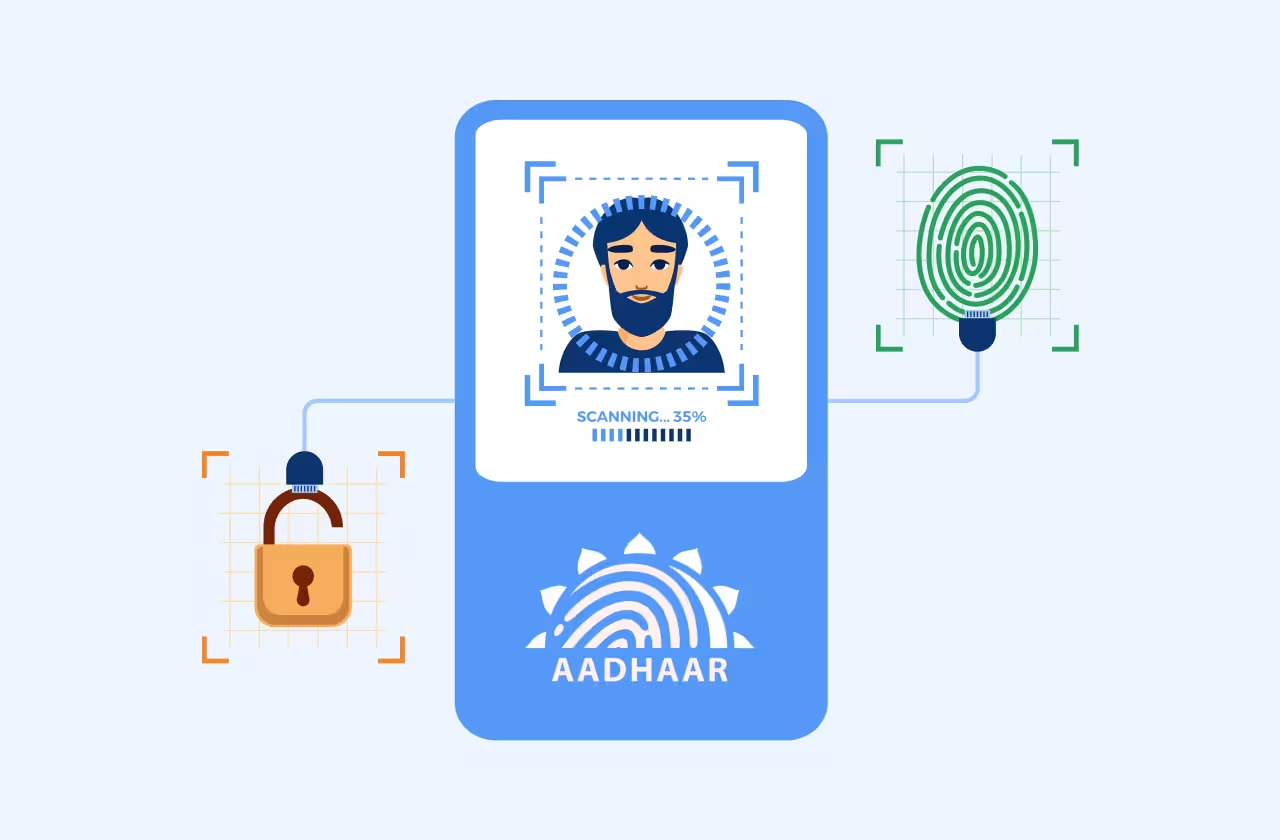
Biometric eKYC in India is a digital identity verification method that authenticates a customer using Aadhaar-linked biometric data (typically a fingerprint or iris scan) to confirm identity with a high degree of confidence.
Instead of asking users to prove ownership of a phone number, biometric eKYC confirms physical presence and biological uniqueness.
In simple terms:
If OTP eKYC checks access, biometric eKYC checks identity.
(See what is the best time for businesses in India to switch to eKYC)
How Biometric eKYC Works (Step by Step)
Biometric eKYC isn’t magic. It’s a tightly controlled, auditable process:
- The customer provides explicit consent
- Biometric data (fingerprint or iris) is captured using a certified device
- The data is encrypted and securely transmitted
- UIDAI validates the biometric input against Aadhaar records
- Identity confirmation is returned to the business
- An audit trail is generated for compliance
No guesswork. No inference. Just verification.
Is Biometric eKYC Legal in India?
Yes, biometric eKYC is legal in India when conducted in accordance with UIDAI guidelines, the Aadhaar Act, and RBI’s digital KYC framework.
That said, legality depends on how it’s used.
Key compliance expectations include:
- Explicit and informed customer consent
- Purpose limitation (use it only when required)
- Secure handling of biometric data
- Proper audit logs and access controls
Used correctly, biometric eKYC is not just allowed, it’s encouraged for high-assurance onboarding.
Biometric eKYC vs Aadhaar OTP eKYC
Both methods exist for a reason. They’re not competitors, they’re tools for different risk levels.
If OTP eKYC is a speed gate, biometric eKYC is a security gate.
When Should Businesses Use Biometric eKYC?
Biometric eKYC in India makes sense when getting it wrong is expensive.
Common scenarios include:
- High-value financial products
- Loan disbursement and credit underwriting
- Regulated customer onboarding
- Fraud-prone user segments
- Assisted or field-based onboarding
- Rural onboarding where device sharing is common
Si una verificación fallida puede provocar una pérdida financiera, un control regulatorio o un daño a la reputación, el eKYC biométrico suele ser la decisión correcta.
Dónde fallan las empresas con el eKYC biométrico
Irónicamente, el error más común es usándolo en exceso.
El eKYC biométrico es potente, pero no ligero. Usándolo en todas partes:
- Ralentiza innecesariamente la incorporación
- Aumenta la complejidad operativa
- Frustra a los usuarios de bajo riesgo
Otros errores comunes incluyen:
- Comunicación de consentimiento deficiente
- Uso de dispositivos biométricos no certificados
- Tratar los datos biométricos de manera casual
- Ignorar opciones alternativas como OTP o KYC de vídeo
La verificación sólida funciona mejor cuando es intencional, no predeterminado.
Cómo elegir la configuración de eKYC biométrica adecuada
Si eres implementación del eKYC biométrico en la India, la lista de verificación importa más que la presentación.
Busque:
- Alineación con UIDAI y Pautas del RBI
- APIs seguras y auditadas
- Compatibilidad certificada de dispositivos
- Mecanismos de respaldo claros
- Escalabilidad sin caos operativo
Pensamiento final
El eKYC biométrico no consiste en dificultar la incorporación.
Se trata de saber cuando la certeza importa más que la comodidad.
Si se usa con cuidado, se convierte en un ancla de confianza, no en un cuello de botella.
Y en entornos regulados, esa distinción marca la diferencia.
Preguntas frecuentes
¿Qué es el eKYC biométrico en la India?
eKYC biométrico en la India es un proceso de verificación de identidad digital que autentica a un cliente mediante datos biométricos vinculados a Aadhaar, como huellas dactilares o escaneos del iris. Verifica la identidad confirmando la presencia física y comparando las entradas biométricas con los registros UIDAI, lo que ofrece una mayor seguridad que el eKYC, basado en OTP.
¿Cómo funciona el eKYC biométrico en la India?
El eKYC biométrico en la India consiste en capturar la huella digital o el escaneo del iris de un cliente vinculado a Aadhaar y validarlo de forma segura con los registros de la UIDAI. Una vez que los datos biométricos coinciden, la identidad del cliente se verifica digitalmente, lo que crea un registro de auditoría que cumple con los requisitos para fines normativos y de incorporación.
¿Cuál es la diferencia entre el eKYC biométrico y el KYC por vídeo?
El eKYC biométrico verifica la identidad mediante huellas dactilares o escaneos de iris vinculados a Aadhaar, mientras vídeo KYC verifica la identidad a través de una interacción de vídeo en directo. El eKYC biométrico ofrece una mayor garantía de identidad, mientras que el KYC por vídeo proporciona flexibilidad sin necesidad de hardware especializado.


.avif)
.avif)
